
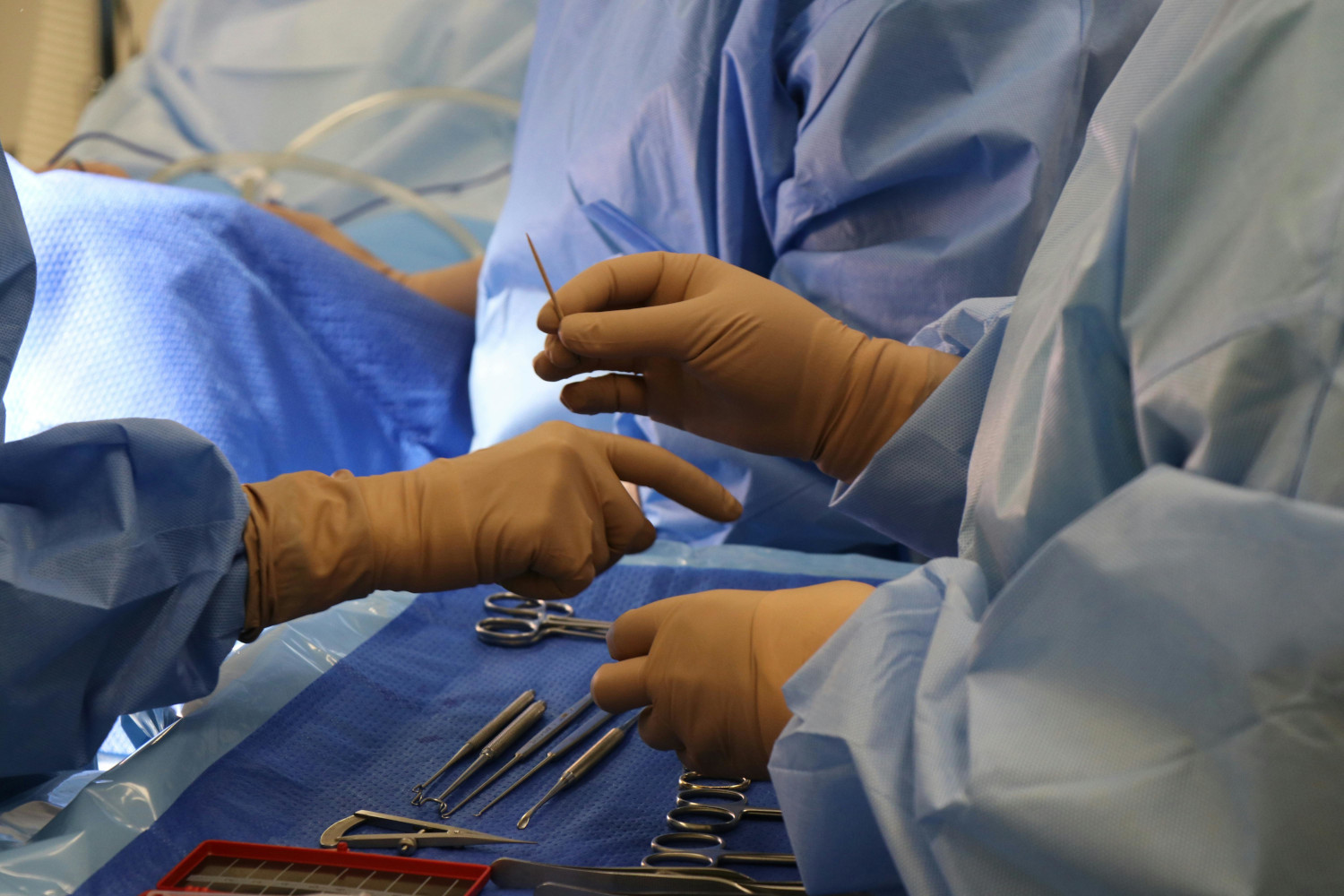
he Edge of Precision: Why the Right Tools Matter in Plastic Surgery
In the hands of a skilled surgeon, a blade becomes more than metal—it becomes an extension of intent. But even the steadiest hands can only do so much with the wrong tool.
Plastic surgery is built on nuance. Millimetres matter. The difference between a seamless result and a visible scar can come down to the sharpness of a blade or the texture of a suture.
As the saying goes, “A craftsman is only as good as his tools.” But in surgery, this isn’t just about craftsmanship—it’s about trust, safety, and results.
The History Beneath the Blade
From flint scalpels in ancient Egypt to bronze instruments from the Roman era, surgery has always demanded precision. Galen, the Greek physician who shaped early medical thought, warned that the wrong blade “wounds more than it heals.”
Today, the blades we use are thinner, stronger, and more precise than ever. A #15 blade may be small, but in the right hands, it’s powerful. And a dull blade? That’s a liability. It drags, creates tissue trauma, and affects healing. The damage may be microscopic, but the result isn’t.
Why I Choose Swann-Morton
Founded in Sheffield, England—once known as the steel capital of the world—Swann-Morton has been making surgical blades since 1932. The company began producing scalpels and handles for general surgery, but its precision craftsmanship quickly gained global attention.
By the mid-20th century, they were known for introducing interchangeable surgical blades—a significant innovation in sterility and flexibility. Today, Swann-Morton blades are used in over 100countries and continue to lead the field in quality and consistency.
I choose them for three reasons:
- Edge precision – Their blades glide through tissue without resistance
- Consistency – Every pack performs like the last
- Refinement – Their microblades are unmatched for fine-detail work
When a procedure calls for invisibility—no thick lines, no trace—I reach for Swann-Morton.
A Surgical Metaphor
Think of a violinist. The music is in the mind, but the sound comes from the bow. If the bow skips, the note suffers. Precision is the music, and the blade is the bow in surgery.
“He who uses the same knife for every task only learns one cut.” — Surgical proverb
Behind the Blade
🔍 Blade Thickness: 0.015 inches (thinner than a credit card)
🔍 Material: High-carbon stainless steel
🔍 Handle Compatibility: Each blade is matched with a handle that optimises grip, balance, and control
🧼 Sterility Note: Swann-Morton pioneered sterile, individually wrapped blades—long before it became an industry standard.
Patient Q&A
Q: Why does it matter which brand of blade a surgeon uses?
A: Like not all tires are equal on a high-performance car, not all blades perform equally in delicate procedures. Blade quality impacts tissue trauma, which affects healing and scarring.
Q: Does a sharper blade help with scarring?
A: Yes. A sharp, clean incision reduces micro-tears in the tissue. That means less inflammation, faster healing, and smoother scars.
Q: Can I ask my surgeon about the tools they use?
A: Absolutely. It shows you’re informed, and your surgeon should be able to tell you exactly what they use and why.
Final Cut
As new technology — robotics, AI, 3D imaging — reshapes the future of surgery, the simplest tools still carry the most weight.
The blade may seem basic, but it’s foundational. That’s why I put so much thought into something most people never see.
So this April, I reflect on this: progress doesn’t always mean more tech. Sometimes, it means honouring the tool that lets you make the perfect cut—and knowing when to use it.
Until next time
Curious about surgical tools or your procedure?
Reply to this email or book your consultation at www.drdehanstruwig.co.za.
