Welcome to my latest newsletter, where I delve into the fascinating world of lines that guide the art and science of plastic surgery.
The Perfect Cut
Just like Olympic athletes whose performances appear effortless, concealing the countless hours of practice, experimentation, and perseverance behind their success, the art of plastic surgery involves a similar dedication to mastery.
These athletes’ flawless execution is a testament to their unwavering commitment and finely honed skills, mirroring the precision and expertise required in my practice.
The seemingly simple act of placing an incision to achieve a natural, almost invisible result is the culmination of years of studying, meticulous practice, and relentless refinement of my craft.
Every cut, every suture, is guided by a deep understanding of anatomical lines and the subtleties of skin tension, ensuring that my patients receive results that are as functional as they are aesthetically pleasing.
One of the secrets to achieving this lies in understanding and utilizing the “hidden lines” that guide me during surgery. These lines are the unsung heroes of surgical planning, helping to minimize visible scarring and ensure that any incisions blend seamlessly with the natural contours of your skin.
In this newsletter, we will explore the fascinating world of these guiding lines—Langer lines, relaxed skin tension lines, and contour lines—and how they play a crucial role in making the perfect cut.
Langer Lines: Nature’s Blueprint for Surgical Success
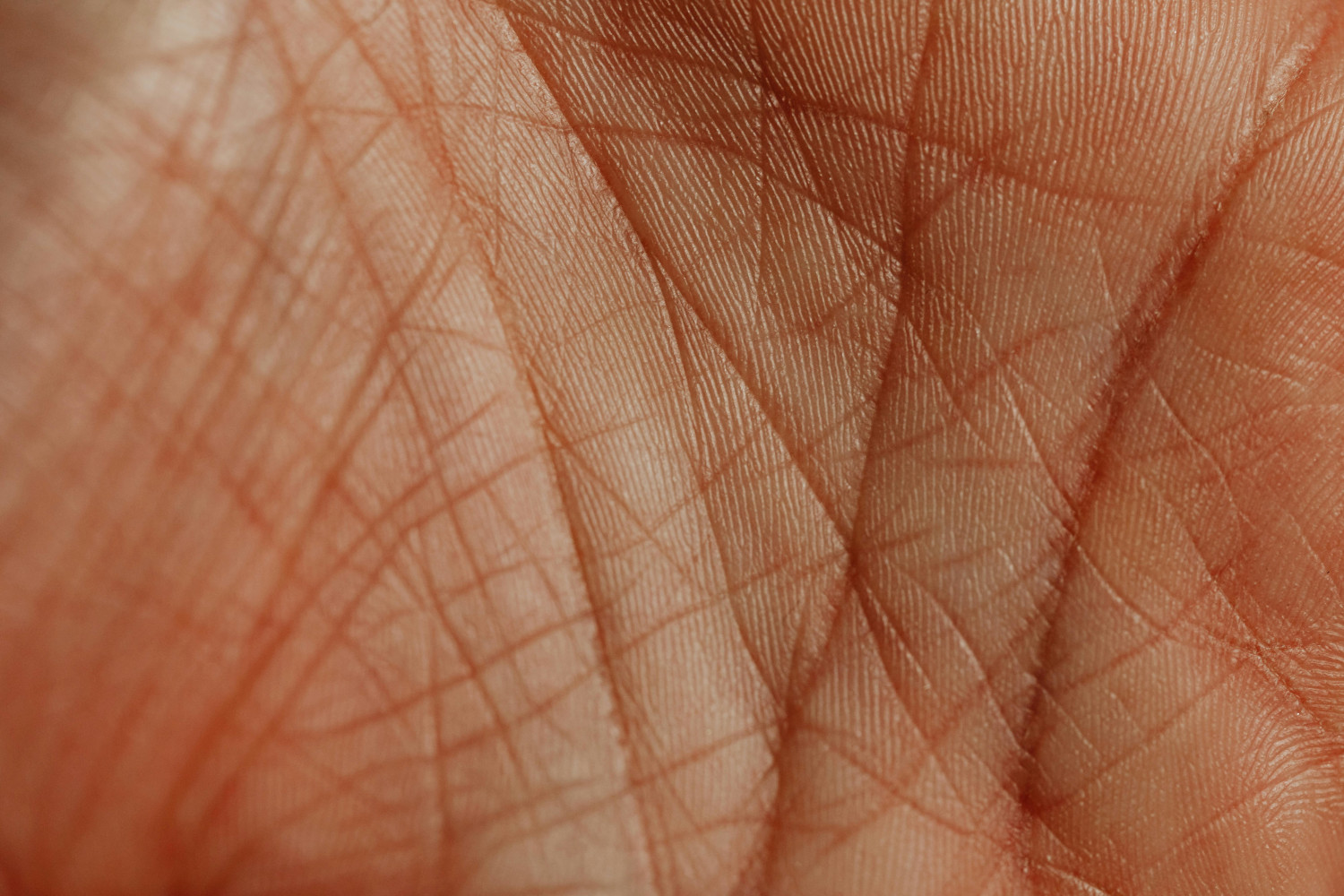
Langer lines, first described by Karl Langer in the 19th century, are natural lines of tension in the skin. These lines represent the direction in which the skin naturally folds and creases.
Surgeons use these lines to plan incisions and minimize scarring. By making cuts parallel to Langer lines, we ensure that the wound heals with the least amount of tension, leading to finer, less noticeable scars.
Relaxed Skin Tension Lines (RSTL): Minimizing Scarring
These lines indicate the natural orientation of collagen fibers in the skin. Incisions made along RSTL tend to heal better and are less likely to widen over time. This principle is fundamental in facial surgeries aiming to achieve functional and aesthetic perfection.
Kraissl’s Lines: The Muscle Connection
Kraissl’s lines run perpendicular to the action of underlying muscles. These lines are essential in planning surgeries that involve muscle movements, such as facelifts and reconstructive procedures. By aligning incisions with Kraissl’s lines, we can ensure that the scars move harmoniously with the skin and muscles, creating a more natural look.
Bikini Lines: Strategic Cosmetic Planning
When it comes to cosmetic procedures around the pelvic area, such as tummy tucks or C-sections, Bikini lines are crucial. These lines guide us to place incisions in areas easily concealed by underwear or swimwear. This consideration is vital for our patient’s confidence and comfort, allowing them to enjoy their results without visible reminders of their surgery.
Wrinkle Lines: Aging with Grace
Understanding natural wrinkle formation is critical to effective cosmetic treatments. By studying the lines and patterns of wrinkles, we can tailor treatments such as Botox or fillers to achieve a youthful yet natural appearance. These wrinkle lines guide us in enhancing facial aesthetics while preserving individual expressions.
The Science Behind the Lines
Our skin’s structure is a complex network of collagen fibers, elastin, and muscle attachments. These elements create natural lines of tension and movement. We harness the body’s natural healing processes by respecting these lines during surgical procedures. This scientific approach minimizes scarring, promotes better healing, and ensures the results look as natural as possible.
Fun Facts About Skin Lines
- Langer lines are different for every person, much like fingerprints.
- The study of RSTL has its roots in ancient techniques refined through modern scientific research.
- Kraissl’s lines were named after Wilhelm Kraissl, a pioneer in plastic surgery.
- Bikini lines emerged from the need for discreet scar placement in the 20th century.
Conclusion: Embracing the Blueprint
Understanding and utilizing these lines in plastic surgery allows me to achieve the best patient outcomes. Whether it’s minimizing scars, ensuring natural movement, or planning for the most discreet incisions, these lines are my invisible guides. As I continue to innovate and refine my techniques, I remain committed to the principles that ensure my patients look and feel their best.
Thank you for joining me on this journey through the secret blueprint of skin in plastic surgery. Stay tuned for more insights and stories in the next edition!
