
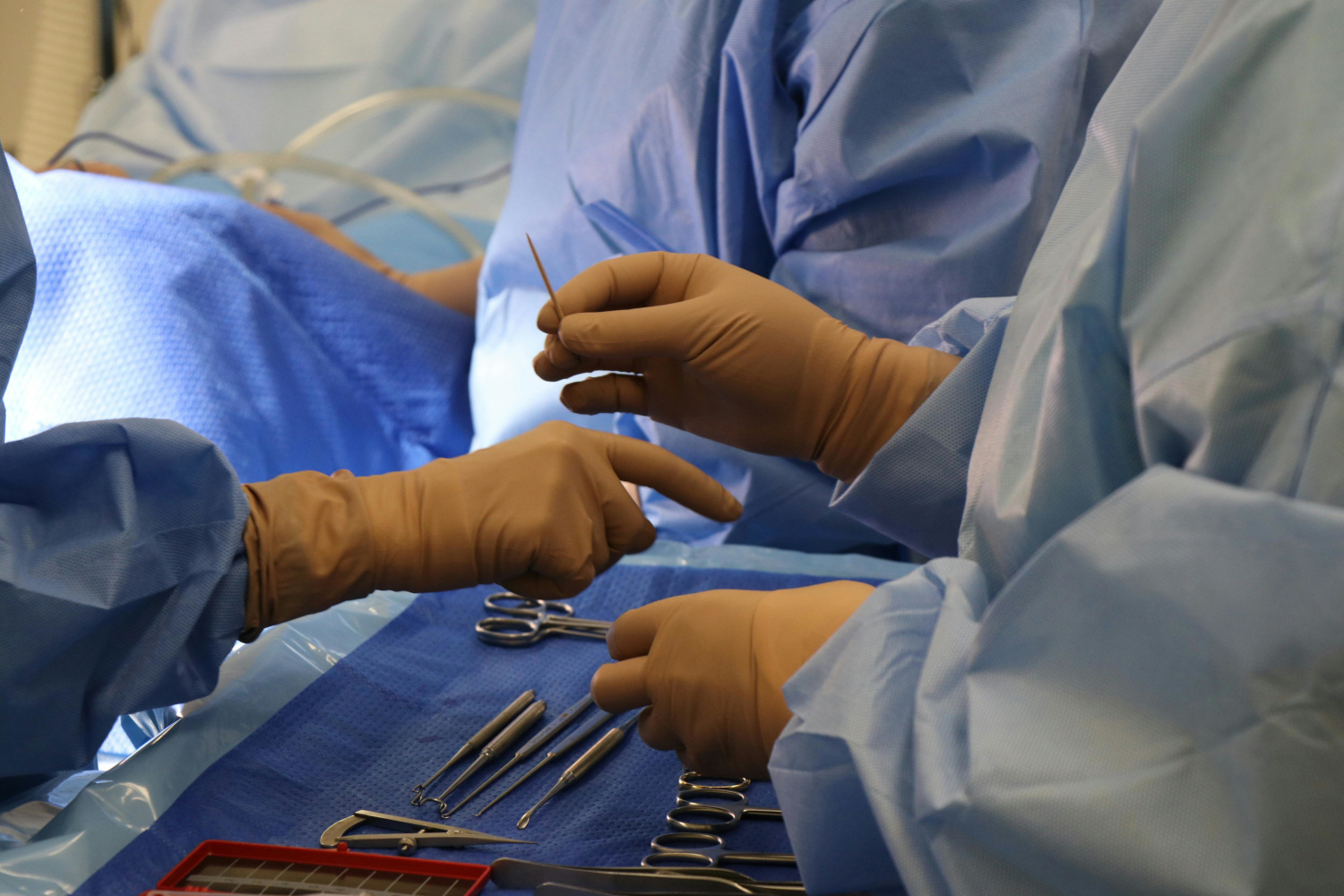
any of my patients, friends, and colleagues imagine surgery as something dramatic.
Bright lights. Busy movement. Many hands.
But if you look closely, you will notice something quite different.
The tools are small.
Very small.
Plastic and reconstructive surgery is not about force. It is about control. The instruments are designed to support this—quietly and precisely.
Most of us have had the experience of trying to do a simple task with the wrong tool. A screwdriver that does not fit, a blunt knife, or the wrong paintbrush can turn something easy into something frustrating.
In surgery, the same principle applies—but with far greater importance.
- Where Surgical Instruments Began
The first surgical instruments were simple.
Thousands of years ago, early doctors used sharpened stones, bone, and later metal tools. Ancient Egyptian and Roman practitioners used knives, hooks, and forceps made from bronze and iron.
These tools worked, but they were not refined. They were often large and not designed for delicate work.
Over time, as understanding improved, so did the instruments.
By the 18th and 19th centuries, tools became more specialised. Plastic surgery played an important role in this change. Working on the face and hands required smaller, more precise instruments.
This shift was not about convenience. It was about respect for tissue.
The finer the work, the finer the tools needed to become.
- What Surgical Instruments Are Made Of
Modern surgical instruments are carefully designed and made.
Most are crafted from high-grade stainless steel, chosen because it is strong, resistant to rust, and can be sterilised safely many times.
Some instruments include:
- Tungsten carbide inserts for durability and grip
- Titanium for a lighter feel in the hand
Every surface is smooth. Every edge is precise. The instrument must feel balanced when held.
A good instrument should not draw attention to itself.
It should simply allow the plastic surgeon to work with ease and control.
- How Instruments Are Crafted
Surgical instruments are made with great care.
They are shaped, sharpened, aligned, and tested. Many are still finished by hand to ensure accuracy.
The tips must meet perfectly. The movement must be smooth. The tension must feel right.
This is not unlike other skilled work.
A tailor chooses sharp scissors to cut fabric cleanly. A carpenter relies on well-made tools to measure and shape wood. An artist selects brushes carefully, knowing each one creates a different effect.
The quality of the tool influences the quality of the work.
As John Ruskin wrote:
“Quality is never an accident. It is always the result of intelligent effort.”
This applies as much in surgery as it does in any craft or profession.
- Choosing the Right Instrument
A plastic surgeon does not use one instrument for everything.
Each tool has a purpose.
For example:
- Scalpels create clean incisions
- Fine scissors trim tissue carefully
- Forceps hold tissue gently
- Needle holders guide stitches with precision
Choosing the correct instrument allows for careful, controlled work.
Using the wrong instrument can make even a simple step more difficult and can place unnecessary strain on tissue.
Most of us recognise this in our own work or daily lives.
Cutting bread with a blunt knife.
Using the wrong tool for a repair.
Painting with a brush that does not behave as expected.
The result is often uneven and frustrating.
In surgery, these small differences matter even more. They influence how tissue responds and how it heals.
- What a Typical Instrument Set Looks Like
Before an operation begins, an instrument set is prepared.
This set is arranged carefully on a sterile tray.
A typical plastic surgery set may include:
- several types of forceps
- fine scissors
- needle holders
- a scalpel handle with blades
- small retractors
Each instrument has its place.
- Better Tools, Better Healing
The way tissue is handled during surgery affects its healing.
When the correct instruments are used:
- tissue is handled gently
- blood supply is preserved
- swelling is reduced
- healing is more predictable
This is especially important in reconstructive surgery, where the goal is not only repair, but lasting function.
Healing takes time.
But it begins in the operating theatre, with the smallest actions.
- What Patients Do Not Always See
Before surgery starts, there is preparation.
The correct instruments are selected. The set is checked. Everything is arranged in advance.
This preparation may not be visible, but it is essential.
A well-prepared operation feels calm and controlled.
It is like preparing a meal for family or friends. When everything is ready and the right tools are at hand, the process flows easily. Without that preparation, even simple steps become difficult.
In surgery, careful preparation supports good outcomes.
Precision Is Intentional
Surgical instruments have evolved over many years.
From simple tools to finely crafted instruments, each step has improved safety and precision.
But instruments alone do not create results.
It is the thoughtful choice and careful use of each instrument that makes the difference.
Precision is not accidental.
It is chosen.
Closing Reflection
As I think about the role of instruments in surgery, I am often reminded that this principle extends far beyond medicine. Whether we are caring for patients, working alongside colleagues, or simply managing the small tasks of daily life, having the right tools—and using them with care—shapes the outcome. It is a privilege to work with patients, friends, and colleagues who value this same attention to detail.
I wish each of you continued health, steady progress, and the quiet confidence that careful work, done thoughtfully, leads to lasting results.
