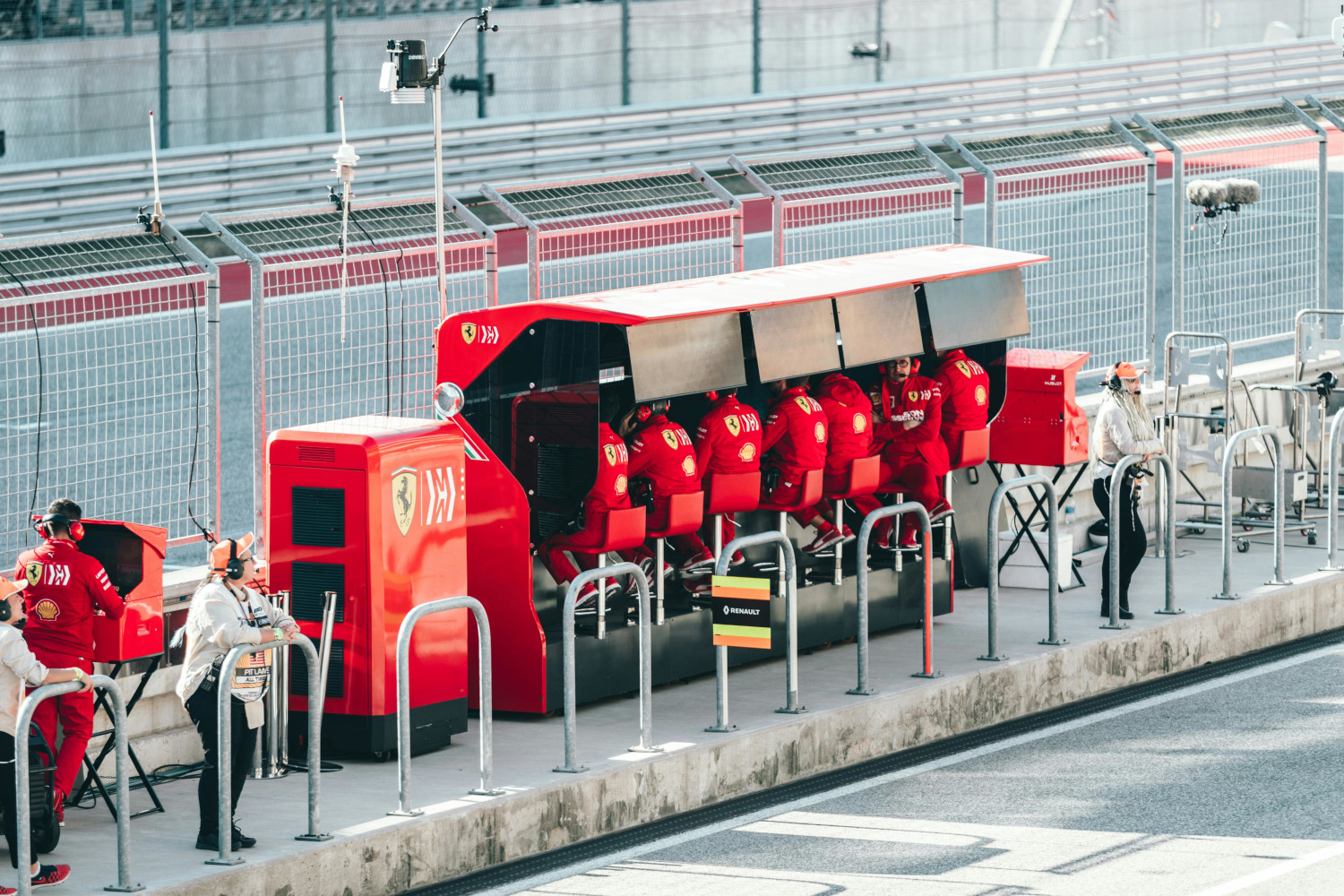
n the high-octane world of plastic surgery, the operating room can be likened to a Formula 1 Grand Prix, where precision, speed, and teamwork are everything. Just as Ferrari needs every member of its pit crew to work in perfect harmony for a successful race, so too does a surgical team need to function like a well-oiled machine. Every role is crucial, but often, the anaesthesiologist is the unsung hero, working behind the scenes to keep the engine running smoothly.
In plastic surgery, every successful procedure is a testament to the seamless coordination of a dedicated team, with anaesthesia playing a critical role in the success of the ‘race.’
A Brief History of “Revving Up” – The Evolution of Anaesthesia
Picture this: it’s the mid-19th century, and a surgeon is about to perform a major operation. The patient is awake, possibly biting down on a leather strap or swigging back a stiff drink to dull the pain. Not a pretty picture, is it? Thankfully, those days are long gone.
The introduction of ether in 1846 by dentist William T.G. Morton was a game-changer. For the first time, patients could undergo surgery without the agony that had been an inescapable part of the experience. This monumental shift opened the door to more complex and intricate surgeries, laying the groundwork for the field of plastic surgery as we know it today.
As we entered the 20th century, advancements in medicine and technology brought about safer and more effective anaesthetics. Carl Koller’s discovery of local anaesthesia in 1884, for instance, was another milestone that revolutionized surgical procedures. Anaesthesia has evolved into a sophisticated science, with multiple options tailored to the needs of each patient and procedure.
The Anaesthesia Pit Stop: Tailoring the Approach in Plastic Surgery
Just as a Formula 1 team customizes every aspect of the car for each race, plastic surgeons choose the type of anaesthesia best suited to the procedure and the patient. Here’s a breakdown of the different types of anaesthesia and how they’re used.
General Anaesthesia: The Full-Throttle Approach
When it comes to major surgical procedures like a full-body lift or complex facial reconstruction, general anaesthesia is the full-throttle approach. It’s like putting the pedal to the metal in a race—complete, all-encompassing, and essential for high-stakes situations. The patient is fully unconscious, and the anaesthetist monitors every vital sign to ensure the ‘engine’ runs smoothly throughout the procedure.
Conscious Sedation: The Controlled Drift
For procedures that don’t require full unconsciousness, such as certain cosmetic surgeries, conscious sedation is like a controlled drift around a tricky corner. The patient is relaxed and possibly a bit drowsy but remains aware and able to respond if necessary. It’s the perfect balance of control and ease, allowing for a smooth procedure without needing a full pit stop.
Local Anaesthesia: The Precision Tuning
Local anaesthesia is the precision tuning needed for minor procedures like mole removals or small cosmetic adjustments. It’s like adjusting the aerodynamics of a car for a specific part of the track. The patient is fully awake, but the targeted area is numb, allowing the surgeon to work with pinpoint accuracy.
Regional Blocks: The Defensive Strategy
Regional blocks are like adjusting the suspension for a bumpy part of the track. These blocks numb larger areas of the body, making them ideal for surgeries on the arms, legs, or abdomen. For example, during a tummy tuck, a regional block can provide excellent pain control during and after the surgery.
A Team Effort for the Win
Just as a Formula 1 driver relies on the expertise of the entire pit crew, a plastic surgeon depends on the anaesthetist to ensure the procedure goes off without a hitch. Anaesthesia is not just about putting the patient to sleep; it’s about creating the perfect conditions for a successful operation. Like a race engineer, the anaesthetist constantly monitors and adjusts to the needs of the ‘vehicle’—the patient—ensuring everything runs smoothly from start to finish.
Beyond the technical aspects, administering anaesthesia is an art. An anaesthesiologist must understand the nuances of each patient—age, health, medical history, and even psychological factors—all of which influence how they will respond to anaesthesia. It’s a dynamic process that requires constant vigilance, adaptability, and a deep understanding of human physiology.
In the world of surgery, just like in Formula1, it’s not just about speed—it’s about precision, teamwork, and the perfect balance that gets you across the finish line.
So, the next time you think about plastic surgery, remember that it’s not just about the surgeon’s skill with a scalpel, but also about the skilled team working behind the scenes to ensure everything goes off without a hitch.
And to each of my race engineers – I appreciate you every day. Without your care, dedication, skill and craft, I cannot do my work. Thank you.
